The Live Lounge · 13 Oct · 6.00pm BST · Free

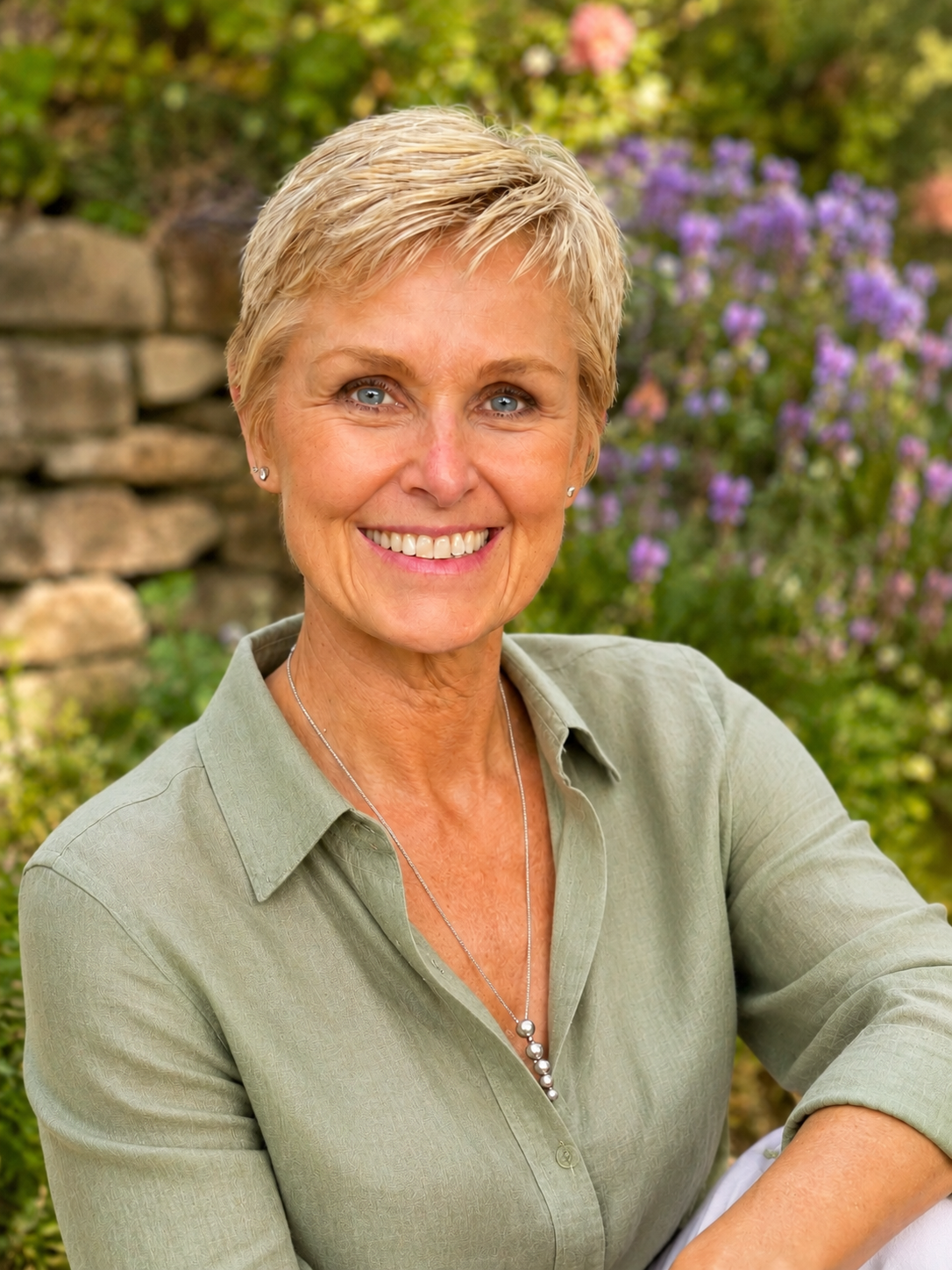
Sarah Clough, movement and longevity coach

You’re activeBut are your bones getting what they need?

Why walking, Pilates and yoga may not provide the whole stimulus your bones need, and what to add.

Tuesday 13 October
6.00–7.00pm BST

Live Q&A until 7.30pm

Free. Live on Zoom. Replay sent to everyone who registers.

If you already walk, do Pilates or yoga, garden, cycle or generally keep yourself active, this isn’t about telling you to do more for the sake of it.

It’s about understanding what your bones and muscles actually need in order to adapt, and whether your current routine is giving them enough.

THE IMPORTANT DISTINCTION

Being active and building stronger bones aren’t always the same thing.

You may already do a lot.

You walk. You go to Pilates or yoga. You garden. Perhaps you cycle, swim, play tennis or spend far more time on your feet than most people you know.

All of those things have value.

But your bones respond to particular kinds of challenge.

Walking provides impact, but at a relatively low level. Pilates and yoga can help with strength, balance, mobility and control. Cycling and swimming are excellent for many aspects of health.

But none of those things automatically tells us whether your bones and muscles are getting enough resistance, impact and progression to keep adapting.

And that is the bit I think many women have never had properly explained.

WHY THIS MATTERS

You shouldn’t have to guess what “strong enough” looks like.

Most women I meet already know that strength matters.

The difficulty is knowing what that means in practice.

  • How heavy is heavy enough?
  • Does walking count?
  • What about Pilates?
  • Should you jump if you have osteopenia or osteoporosis?
  • How do you know when something is too much, or when it has become too easy to make a difference?

And if you’ve been told your bones are thinning, how do you challenge your body without spending the whole time worrying that you might hurt yourself?

This Live Lounge is about making that picture much clearer.

IN THIS HOUR

Three questions that change how you look at your routine.

01

What are your bones actually responding to?

The difference between movement and a meaningful stimulus.

We’ll look at why bones and muscles need challenge in order to adapt, and the roles played by resistance, impact and progression.

You’ll start to see why “I’m active” is useful information, but it doesn’t tell us the whole story.

You leave understanding the three ingredients to look for in your own routine.

02

What is your current routine already doing well?

Walking, Pilates and yoga are not the enemy.

This isn’t about throwing out the things you enjoy.

We’ll look at what walking, Pilates, yoga and other common activities can give you, and where there may still be gaps if stronger bones and muscles are the goal.

The useful question isn’t “Does Pilates count?” It’s “What is this activity asking my body to adapt to, and what isn’t it asking?”

You leave able to look at what you already do with much more clarity.

03

What might you need to add?

Not more exercise. The right challenge.

We’ll look at how strength, impact and progression can be introduced at a level appropriate to the person doing them.

Because the answer isn’t for everybody to suddenly start lifting enormous weights or jumping around the kitchen.

The right challenge depends on where you’re starting from, what your body has been through, how confident you feel and what you want it to be capable of next.

You leave with a clearer idea of what deserves your attention next.

WHAT YOU’LL TAKE AWAY

A simple way to look at your own week differently.

By the end of the hour, I want you to be able to look at your current routine and ask three much more useful questions.

You don’t need a complicated exercise spreadsheet. But you do need to know whether your body is being given a reason to become stronger.

  1. 1Where am I challenging my muscles?
  2. 2Where am I giving my bones impact or load?
  3. 3Where is the progression?

Bring a pen and something to write on. We’ll work through this together.

WHY I CARE ABOUT THIS

I was active too.

I’ve taught movement for around 15 years and worked with hundreds of women.

I developed osteopenia at 39 and later went on to be diagnosed with osteoporosis.

I wasn’t inactive.

I taught Pilates. I walked. I moved. I looked after myself.

But my diagnosis made me start asking a different question:

Was being active actually giving my bones and muscles the specific challenge they needed?

That question changed the way I approached my own body, and eventually the way I worked with other women too.

In July 2026, my DEXA scan showed a 4.8% increase in the bone density of my spine, moving my result from the osteoporosis range into osteopenia.

I’m very careful about what I claim that result means.

It doesn’t prove that one exercise, food, supplement or change caused it.

What it reinforced for me is something much bigger:

The direction your body is heading in isn’t necessarily fixed, and understanding what it needs gives you somewhere useful to start.

Being active was part of the answer.
It wasn’t the whole answer.
This Live Lounge is for you if...

  • You already consider yourself reasonably active but aren’t sure whether what you’re doing is enough for your bones.
  • You walk, do Pilates or yoga, garden, cycle, swim or attend classes and want to understand what each is actually giving your body.
  • You’ve been told you have osteopenia or osteoporosis and aren’t sure how much challenge is appropriate.
  • You haven’t had a diagnosis, but you know there may be reasons to pay closer attention to your bones — perhaps a family history of osteoporosis or hip fracture, an early menopause, long periods without periods, a history of prolonged under-eating or restrictive dieting, or medication or treatment that can affect bone health.
  • You know strength matters but don’t know how heavy, how often or how to progress.
  • Fear of injury sometimes makes you wonder whether doing less is safer.
  • You want practical, evidence-informed guidance rather than another generic list of exercises every woman is supposedly meant to do.

What if I have osteoporosis?

Most people with osteoporosis can exercise safely, but the right type and level of challenge depends on the individual.

If you have had multiple fractures, spinal fractures, are recovering from a fracture, or have been advised to avoid particular movements, your own doctor or physiotherapist should guide what is appropriate for you.

The Live Lounge is educational rather than individual medical or exercise prescription. Its purpose is to help you understand the principles, ask better questions and see what may deserve your attention.

THE LIVE LOUNGE

You’re active.
Now find out whether your bones are getting what they need.

Tuesday 13 October · 6.00–7.00pm BST

Come with a rough idea of what movement and exercise you do in a normal week.

I’ll stay online until 7.30pm for live Q&A, so there will be time to ask questions afterwards.

Replay sent to everyone who registers.